Acrylic Sheet
Clear and coloured acrylic sheets, perspex boards and acrylic glass panels cut to size. Cast and extruded, 2 to 25 mm, delivered Australia-wide.
Acrylic Sheet buying guide
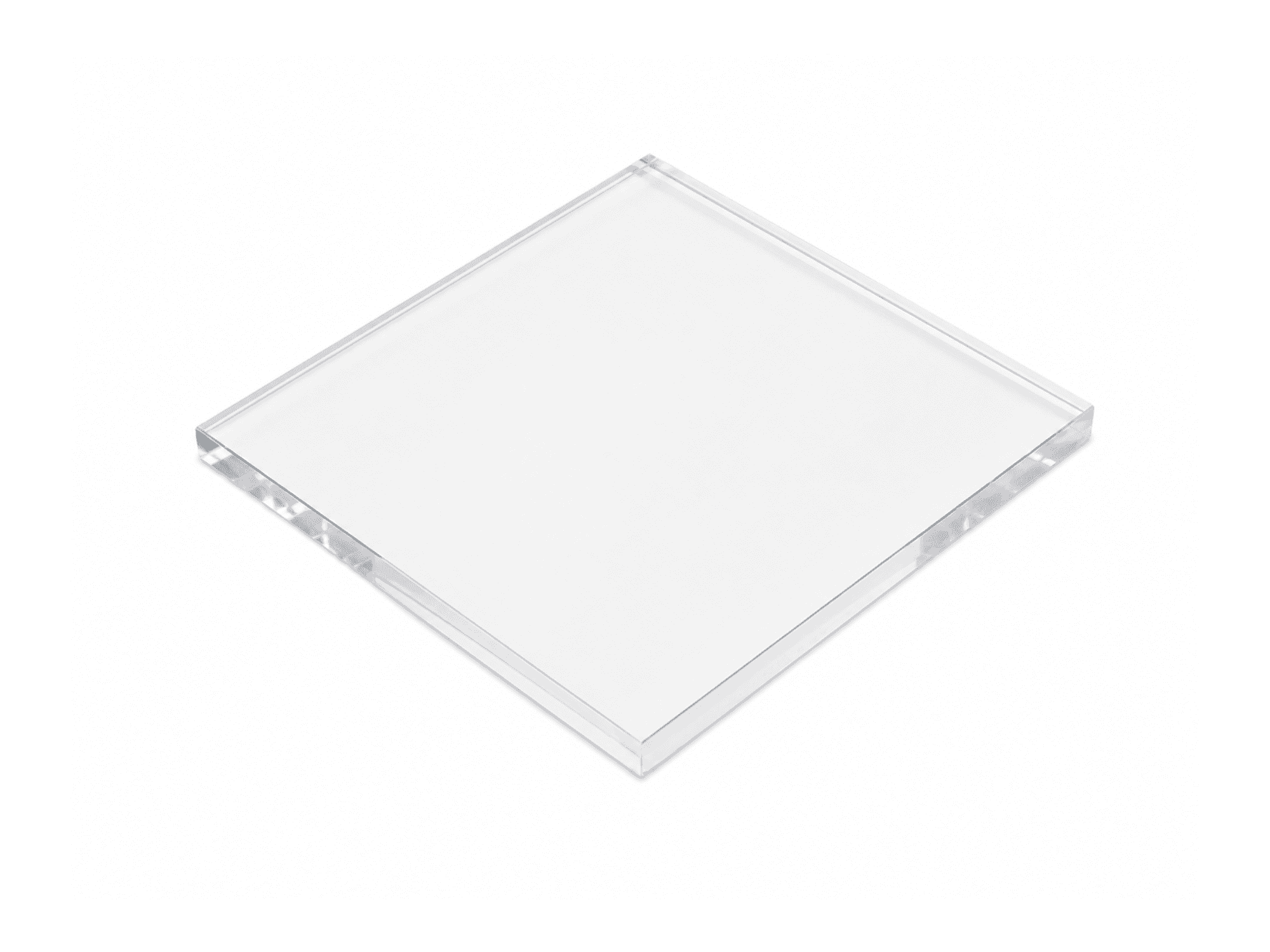
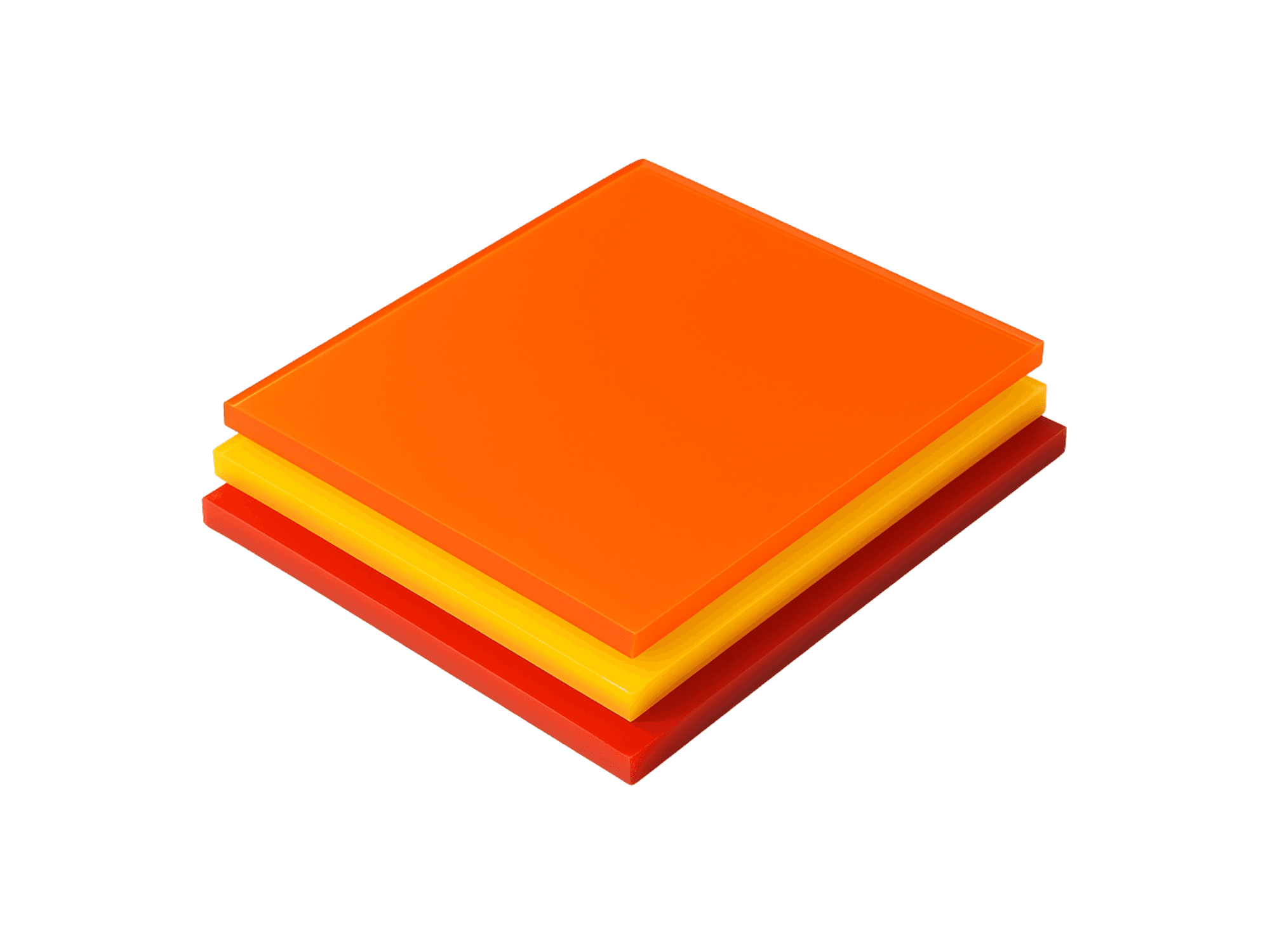
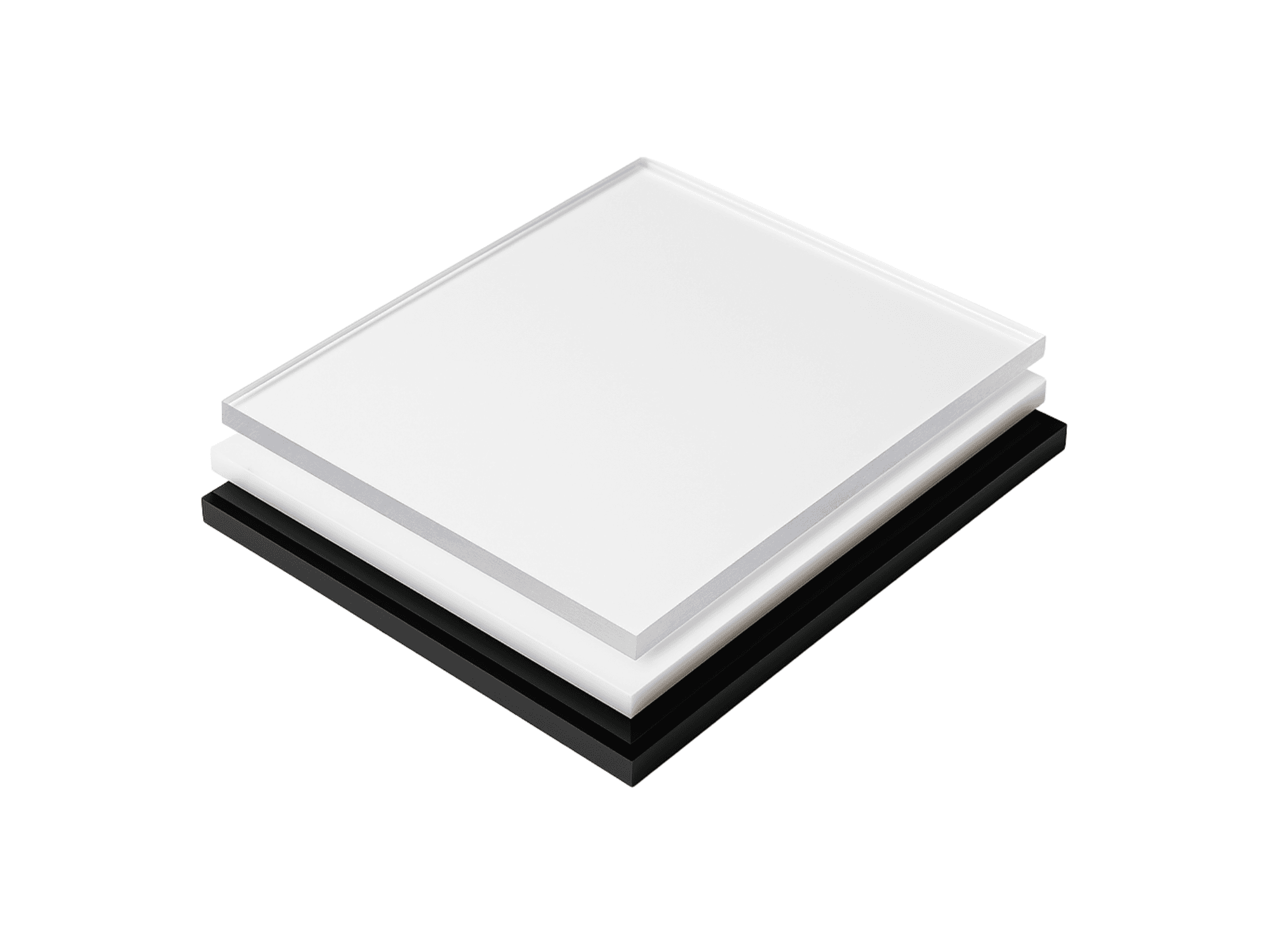
Acrylic sheet, sold under trade names like Perspex and Plexiglass, is the clearest and most workable of the common plastic glazing materials. It transmits more light than glass, weighs around half as much, and machines, polishes and thermoforms cleanly, which is why it turns up in everything from shop fittings and display cases to machine guards, glazing, signage and picture framing. Associated Plastics stocks clear acrylic sheets, acrylic sheet packs for smaller jobs and hobby work, and custom cut to size acrylic in the exact panel dimensions your job needs. If you have been searching for perspex cut to size near me and finding only pre-packed hardware sizes, this is the alternative: we cut to your millimetre dimensions on laser and CNC equipment, polish edges on request, and ship Australia-wide from our Hobart workshop. Sheet is available in a range of thicknesses from thin display stock up to heavy glazing and machining grades, in clear, opal, colours and tints. The guide below explains cast versus extruded acrylic, thickness selection, and where acrylic beats polycarbonate.
Cast or extruded acrylic
Cast acrylic is produced between glass plates, giving better optical quality, more consistent thickness, superior chemical resistance and far cleaner laser cutting with a flame-polished edge. It is the right choice for laser cut parts, engraving, thermoforming and anything where edge finish is visible. Extruded acrylic is made in a continuous process, costs less, has tighter thickness tolerance and bonds and thermoforms at lower temperatures, which suits flat glazing, sign faces and vacuum forming. If you are laser cutting, choose cast. If you are buying a large flat panel on price, extruded is usually the better value.
Choosing acrylic sheet thickness
Thickness is driven by unsupported span and expected load. As a working guide, 2 to 3 mm suits picture framing, small display work, sign faces and light covers; 4 to 6 mm is the general purpose range for shelving, display cases, machine guards and small glazing panels; 8 to 12 mm handles larger unsupported spans, sneeze guards and heavier glazing; and 15 to 25 mm is machining, plinth and structural territory. Acrylic is stiff but brittle compared with polycarbonate, so for any panel that might take an impact, step up in thickness or reduce the unsupported span rather than relying on the material to flex.
Acrylic against polycarbonate and glass
Acrylic is clearer, harder-surfaced, more scratch resistant and better value than polycarbonate, and it holds its optical clarity outdoors for many years. Polycarbonate is dramatically tougher, effectively unbreakable in normal use, and is the correct choice for security glazing, machine guards near moving parts and anywhere impact is likely. Against glass, acrylic is roughly half the weight, far safer when broken, and easy to drill and machine, but it scratches more easily and expands and contracts more with temperature, so allow clearance in fixing holes and frames.
Frequently Asked Questions
Let's Discuss Your Project
Whether you need custom fabrication, laser cutting or packaging supplies, our team is ready to help bring your project to life.