When it comes to cost-effective, versatile, and professional signage solutions, polystyrene sheets have long been a material of choice across industries. From retail point-of-sale displays to event signage and architectural applications, polystyrene offers a compelling combination of workability, durability, and affordability. Understanding both its benefits and best practices ensures you get the most out of this widely used material.
What Makes Polystyrene Ideal for Signage
Polystyrene is a lightweight thermoplastic that comes in several grades, each suited to specific signage demands. The most popular for graphic and display applications is High Impact Polystyrene (HIPS) — a long-established material in the graphic arts industry, valued for its ease of printing, forming, and low cost. Available in standard sheet sizes such as 1370mm x 760mm and 1200mm x 2400mm, and in thicknesses ranging from 0.5mm to several millimetres, it caters to a broad spectrum of signage projects.
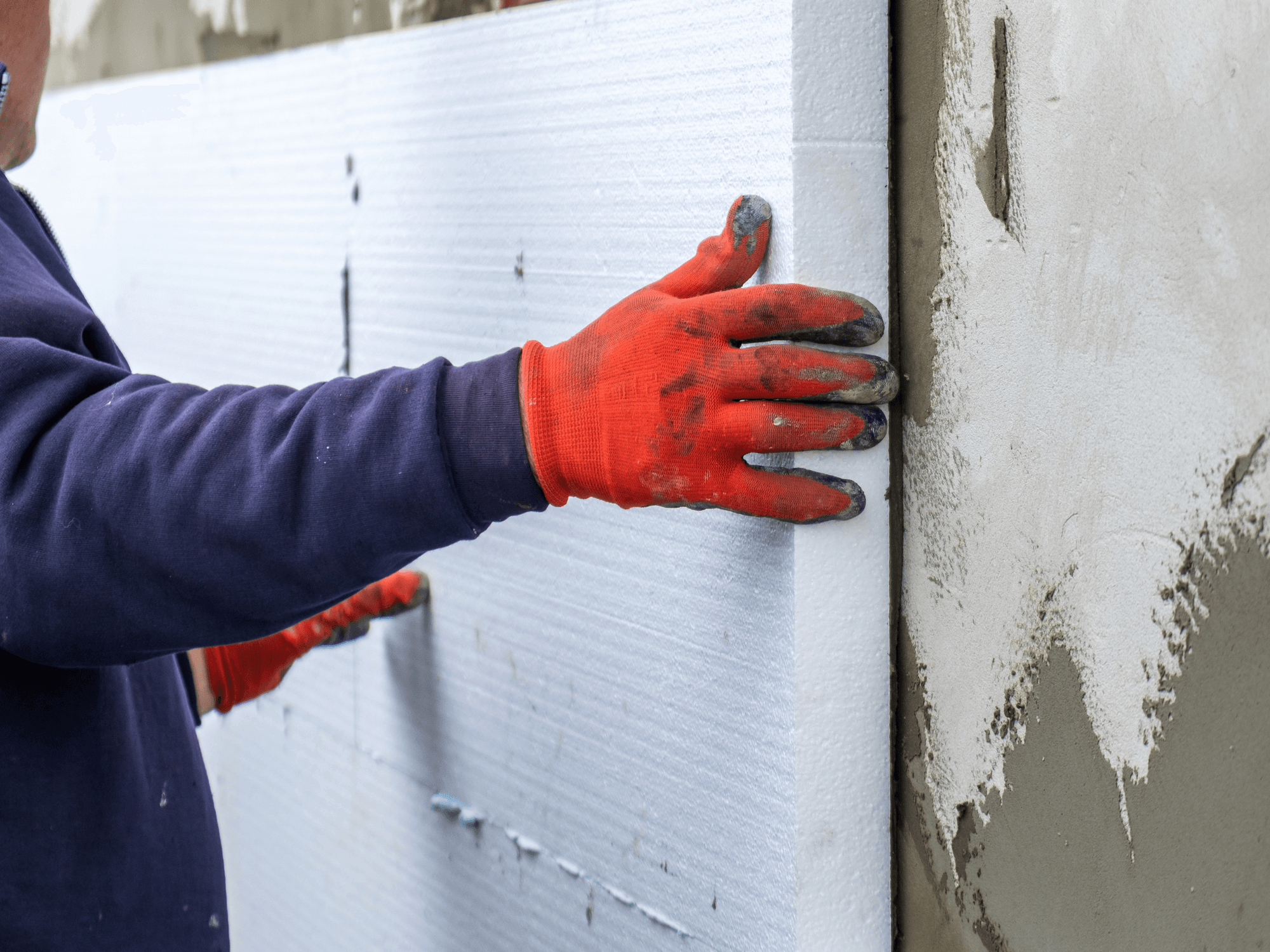
For larger or more structural display needs, Expanded Polystyrene (EPS) provides a rigid foam core option that is both lightweight and moisture resistant — qualities that matter greatly when signs are handled frequently or placed in varied environments.
Key Benefits of Polystyrene Sheets for Signage
1. Lightweight and Easy to Handle
One of polystyrene’s defining advantages is its low weight. Large-format signs and display boards remain manageable for installation and transport, reducing labour time and physical strain on workers. This makes it particularly attractive for exhibition stands, retail displays, and event signage that requires regular setup and pack-down.
2. Print-Ready Surface
HIPS sheets are both digitally and screen printable, meaning graphics transfer cleanly and crisply onto the surface. This is essential for signage where visual impact and brand accuracy are non-negotiable. The material is also suitable for lacquering, hot stamping, metallising, and labelling, giving designers significant creative flexibility.
3. Easy to Cut and Fabricate
Polystyrene can be precisely cut with hot wire cutters, standard saws, or sharp knives, and is fully compatible with laser cutting and CNC router cutting services. This means signs can be produced in complex custom shapes — including lettering, numerals, logos, and contour-cut designs — with clean, accurate edges.
4. Dimensionally Stable and Durable
HIPS maintains its shape reliably, which is critical for signs that need to look consistent over time or are used repeatedly. Its good chemical resistance and excellent electrical properties add to its reliability across varied display contexts.
5. Cost-Effective at Scale
For businesses producing signage in volume — such as tags, labels, stencils, promotional items, and POS displays — polystyrene offers significant savings without sacrificing visual quality. Its availability in multiple grades allows buyers to select the most economical option for their specific application.
6. Moisture Resistant
Particularly relevant for signage in humid environments, cold storage, or mildly exposed settings, polystyrene resists moisture without compromising its structural integrity, extending the working life of signs and displays.
Best Practices for Using Polystyrene in Signage
Choose the Right Grade
Match the grade to your application. HIPS is ideal for printed indoor signs, POS displays, and tags. EPS suits structural or foam-core presentation boards. Consider density and thickness carefully — thinner sheets (0.5mm–3mm) work well for printed labels and flat signage, while thicker foam options suit presentation boards and 3D display elements.
Leverage Custom Cutting Services
Work with a supplier that offers laser cutting or CNC routing for intricate shapes and text. Custom cutting eliminates manual errors, improves precision, and reduces material waste — particularly important for large signage runs.
Prepare Surfaces Properly Before Printing
Ensure sheets are clean and free from dust or oils before printing or applying vinyl graphics. This promotes adhesion and prevents lifting or bubbling that can compromise the finished sign’s appearance.
Store Sheets Correctly
Polystyrene sheets should be stored flat in a cool, dry environment away from direct sunlight to prevent warping or discolouration before use.
Plan for Indoor Use Primarily
While moisture-resistant, standard polystyrene is best suited to indoor signage environments. For prolonged outdoor exposure, consider lamination for added UV and weather protection.
Conclusion
Polystyrene sheets remain one of the most practical and cost-efficient materials available for signage professionals and businesses alike. With the right grade selection, proper preparation, and access to quality cutting and fabrication services, polystyrene delivers sharp, professional results across a wide range of display and signage applications.