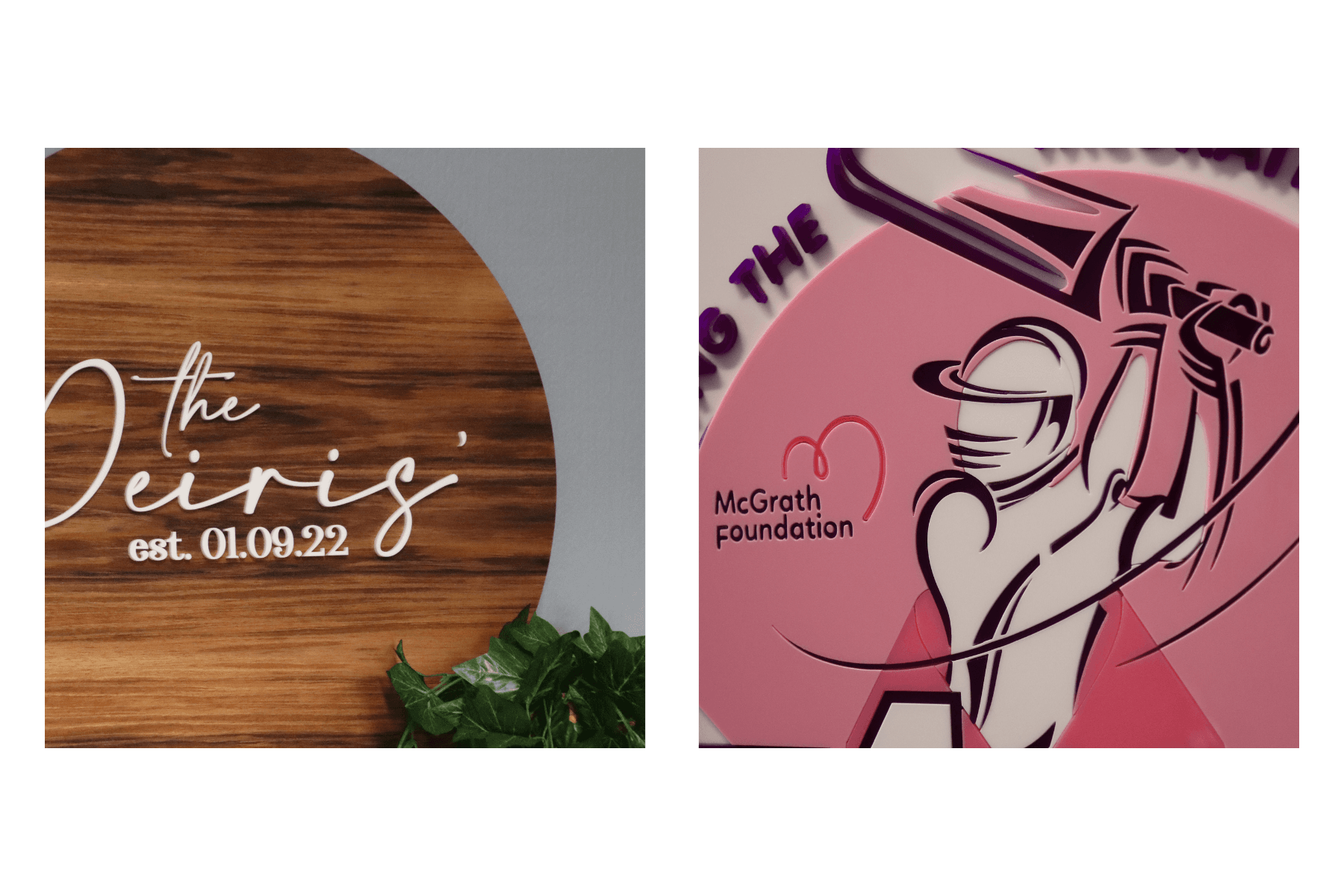
When it comes to creating impactful signage for your Australian business, choosing the right material can make all the difference. With the harsh UV rays, varying weather conditions, and evolving design trends across Australia, selecting durable and visually appealing signage materials is crucial. Let’s explore how acrylic stacks up against other popular signage materials and help you determine what’s best for your specific needs.
The Rise of Acrylic in Australian Signage
Acrylic has become increasingly popular in the Australian signage market, and for good reason. This versatile material offers exceptional clarity, durability, and weather resistance—qualities that are essential for surviving Australia’s challenging climate. Whether you’re in sun-drenched Perth or humid Brisbane, acrylic maintains its appearance and structural integrity far longer than many alternatives.
Acrylic sheets, available in both cast and extruded varieties, provide superior UV resistance compared to standard plastics. This is particularly important in Australia, where UV exposure is among the highest in the world. Cast acrylic offers the best optical clarity and is ideal for high-end retail displays and corporate signage, while extruded acrylic provides a more cost-effective solution for larger applications without compromising too much on quality.
Acrylic vs. Polycarbonate: The Plastic Showdown
While both acrylic and polycarbonate are popular thermoplastics, they serve different purposes. Polycarbonate excels in impact resistance—it’s virtually unbreakable and is often used in security applications or high-traffic areas where vandalism might be a concern. However, when it comes to optical clarity and weather resistance, acrylic takes the lead.
Acrylic maintains its crystal-clear appearance for years without yellowing, whereas polycarbonate can discolor over time when exposed to UV light, even with protective coatings. For most signage applications where visual appeal is paramount—such as illuminated signs, window displays, and branded reception areas—acrylic is the superior choice. It’s also easier to fabricate, accepting paint and adhesives more readily than polycarbonate.
Traditional Materials: PVC and Aluminum Composite
PVC (polyvinyl chloride) remains a budget-friendly option for signage, particularly for temporary displays or indoor applications. It’s lightweight and easy to print on, making it popular for event signage and promotional displays. However, PVC doesn’t offer the premium appearance or longevity that acrylic provides. It’s more susceptible to warping and fading, especially under Australia’s intense sun.
Aluminum composite panels have their place in exterior signage, particularly for large-scale building signage where structural stability is crucial. They’re durable and weather-resistant, but they lack the aesthetic versatility of acrylic. You can’t achieve the same sleek, modern look with backlighting or the dimensional depth that makes acrylic signage so eye-catching in contemporary Australian retail and commercial spaces.
Foamed PVC: The Lightweight Alternative
Foamed PVC boards offer a middle ground between solid plastics and traditional materials. They’re incredibly lightweight, making them easy to install and cost-effective to transport—a significant consideration for businesses across Australia’s vast geography. Foamed PVC is excellent for flat signage, point-of-sale displays, and exhibition graphics.
However, foamed PVC has its limitations. It’s not suitable for applications requiring high impact resistance or the sophisticated, polished look that acrylic delivers. The material’s porous nature can also make it less suitable for outdoor applications in coastal areas where salt spray is a concern. For permanent, high-quality signage that represents your brand, acrylic remains the more professional choice.
Making the Right Choice for Your Application
The best signage material for your needs depends on several factors unique to your situation. Consider these key points:
For premium retail and corporate environments, acrylic is unmatched. Its optical clarity, ability to be backlit, and modern aesthetic align perfectly with current Australian design trends favoring clean, minimalist branding. Acrylic signs convey quality and attention to detail.
For high-impact areas where physical durability is the primary concern, polycarbonate might be your answer. Think protective screens, security signage, or locations prone to accidental damage.
For budget-conscious temporary signage, PVC or foamed PVC boards offer adequate performance without significant investment. These are ideal for short-term promotions, events, or seasonal displays.
For large exterior building signage, aluminum composite panels provide structural integrity, though combining them with acrylic elements can create striking dimensional effects.
The Australian Advantage
Australia’s signage industry has embraced acrylic for good reason. The material’s UV stability means your signs will look as vibrant in five years as they do on day one—crucial when our sun is so harsh. Local suppliers offer a range of thicknesses, colors, and finishes, allowing for customization that meets both functional and aesthetic requirements.
Whether you’re creating illuminated shopfront signage for a Melbourne boutique, wayfinding signs for a Sydney office complex, or display cases for a Brisbane museum, acrylic offers the versatility, durability, and visual appeal that modern Australian businesses demand.
By understanding the strengths and limitations of each material, you can make an informed decision that balances budget, durability, aesthetics, and practical requirements—ensuring your signage investment delivers maximum impact for years to come.
When it comes to creating impactful signage for your Australian business, choosing the right material can make all the difference. With the harsh UV rays, varying weather conditions, and evolving design trends across Australia, selecting durable and visually appealing signage materials is crucial. Let’s explore how acrylic stacks up against other popular signage materials and help you determine what’s best for your specific needs.
The Rise of Acrylic in Australian Signage
Acrylic has become increasingly popular in the Australian signage market, and for good reason. This versatile material offers exceptional clarity, durability, and weather resistance—qualities that are essential for surviving Australia’s challenging climate. Whether you’re in sun-drenched Perth or humid Brisbane, acrylic maintains its appearance and structural integrity far longer than many alternatives.
Acrylic sheets, available in both cast and extruded varieties, provide superior UV resistance compared to standard plastics. This is particularly important in Australia, where UV exposure is among the highest in the world. Cast acrylic offers the best optical clarity and is ideal for high-end retail displays and corporate signage, while extruded acrylic provides a more cost-effective solution for larger applications without compromising too much on quality.
Acrylic vs. Polycarbonate: The Plastic Showdown
While both acrylic and polycarbonate are popular thermoplastics, they serve different purposes. Polycarbonate excels in impact resistance—it’s virtually unbreakable and is often used in security applications or high-traffic areas where vandalism might be a concern. However, when it comes to optical clarity and weather resistance, acrylic takes the lead.
Acrylic maintains its crystal-clear appearance for years without yellowing, whereas polycarbonate can discolor over time when exposed to UV light, even with protective coatings. For most signage applications where visual appeal is paramount—such as illuminated signs, window displays, and branded reception areas—acrylic is the superior choice. It’s also easier to fabricate, accepting paint and adhesives more readily than polycarbonate.
Traditional Materials: PVC and Aluminum Composite
PVC (polyvinyl chloride) remains a budget-friendly option for signage, particularly for temporary displays or indoor applications. It’s lightweight and easy to print on, making it popular for event signage and promotional displays. However, PVC doesn’t offer the premium appearance or longevity that acrylic provides. It’s more susceptible to warping and fading, especially under Australia’s intense sun.
Aluminum composite panels have their place in exterior signage, particularly for large-scale building signage where structural stability is crucial. They’re durable and weather-resistant, but they lack the aesthetic versatility of acrylic. You can’t achieve the same sleek, modern look with backlighting or the dimensional depth that makes acrylic signage so eye-catching in contemporary Australian retail and commercial spaces.
Foamed PVC: The Lightweight Alternative
Foamed PVC boards offer a middle ground between solid plastics and traditional materials. They’re incredibly lightweight, making them easy to install and cost-effective to transport—a significant consideration for businesses across Australia’s vast geography. Foamed PVC is excellent for flat signage, point-of-sale displays, and exhibition graphics.
However, foamed PVC has its limitations. It’s not suitable for applications requiring high impact resistance or the sophisticated, polished look that acrylic delivers. The material’s porous nature can also make it less suitable for outdoor applications in coastal areas where salt spray is a concern. For permanent, high-quality signage that represents your brand, acrylic remains the more professional choice.
Making the Right Choice for Your Application
The best signage material for your needs depends on several factors unique to your situation. Consider these key points:
For premium retail and corporate environments, acrylic is unmatched. Its optical clarity, ability to be backlit, and modern aesthetic align perfectly with current Australian design trends favoring clean, minimalist branding. Acrylic signs convey quality and attention to detail.
For high-impact areas where physical durability is the primary concern, polycarbonate might be your answer. Think protective screens, security signage, or locations prone to accidental damage.
For budget-conscious temporary signage, PVC or foamed PVC boards offer adequate performance without significant investment. These are ideal for short-term promotions, events, or seasonal displays.
For large exterior building signage, aluminum composite panels provide structural integrity, though combining them with acrylic elements can create striking dimensional effects.
The Australian Advantage
Australia’s signage industry has embraced acrylic for good reason. The material’s UV stability means your signs will look as vibrant in five years as they do on day one—crucial when our sun is so harsh. Local suppliers offer a range of thicknesses, colors, and finishes, allowing for customization that meets both functional and aesthetic requirements.
Whether you’re creating illuminated shopfront signage for a Melbourne boutique, wayfinding signs for a Sydney office complex, or display cases for a Brisbane museum, acrylic offers the versatility, durability, and visual appeal that modern Australian businesses demand.
By understanding the strengths and limitations of each material, you can make an informed decision that balances budget, durability, aesthetics, and practical requirements—ensuring your signage investment delivers maximum impact for years to come.
When it comes to creating impactful signage for your Australian business, choosing the right material can make all the difference. With the harsh UV rays, varying weather conditions, and evolving design trends across Australia, selecting durable and visually appealing signage materials is crucial. Let’s explore how acrylic stacks up against other popular signage materials and help you determine what’s best for your specific needs.
The Rise of Acrylic in Australian Signage
Acrylic has become increasingly popular in the Australian signage market, and for good reason. This versatile material offers exceptional clarity, durability, and weather resistance—qualities that are essential for surviving Australia’s challenging climate. Whether you’re in sun-drenched Perth or humid Brisbane, acrylic maintains its appearance and structural integrity far longer than many alternatives.
Acrylic sheets, available in both cast and extruded varieties, provide superior UV resistance compared to standard plastics. This is particularly important in Australia, where UV exposure is among the highest in the world. Cast acrylic offers the best optical clarity and is ideal for high-end retail displays and corporate signage, while extruded acrylic provides a more cost-effective solution for larger applications without compromising too much on quality.
Acrylic vs. Polycarbonate: The Plastic Showdown
While both acrylic and polycarbonate are popular thermoplastics, they serve different purposes. Polycarbonate excels in impact resistance—it’s virtually unbreakable and is often used in security applications or high-traffic areas where vandalism might be a concern. However, when it comes to optical clarity and weather resistance, acrylic takes the lead.
Acrylic maintains its crystal-clear appearance for years without yellowing, whereas polycarbonate can discolor over time when exposed to UV light, even with protective coatings. For most signage applications where visual appeal is paramount—such as illuminated signs, window displays, and branded reception areas—acrylic is the superior choice. It’s also easier to fabricate, accepting paint and adhesives more readily than polycarbonate.
Traditional Materials: PVC and Aluminum Composite
PVC (polyvinyl chloride) remains a budget-friendly option for signage, particularly for temporary displays or indoor applications. It’s lightweight and easy to print on, making it popular for event signage and promotional displays. However, PVC doesn’t offer the premium appearance or longevity that acrylic provides. It’s more susceptible to warping and fading, especially under Australia’s intense sun.
Aluminum composite panels have their place in exterior signage, particularly for large-scale building signage where structural stability is crucial. They’re durable and weather-resistant, but they lack the aesthetic versatility of acrylic. You can’t achieve the same sleek, modern look with backlighting or the dimensional depth that makes acrylic signage so eye-catching in contemporary Australian retail and commercial spaces.
Foamed PVC: The Lightweight Alternative
Foamed PVC boards offer a middle ground between solid plastics and traditional materials. They’re incredibly lightweight, making them easy to install and cost-effective to transport—a significant consideration for businesses across Australia’s vast geography. Foamed PVC is excellent for flat signage, point-of-sale displays, and exhibition graphics.
However, foamed PVC has its limitations. It’s not suitable for applications requiring high impact resistance or the sophisticated, polished look that acrylic delivers. The material’s porous nature can also make it less suitable for outdoor applications in coastal areas where salt spray is a concern. For permanent, high-quality signage that represents your brand, acrylic remains the more professional choice.
Making the Right Choice for Your Application
The best signage material for your needs depends on several factors unique to your situation. Consider these key points:
For premium retail and corporate environments, acrylic is unmatched. Its optical clarity, ability to be backlit, and modern aesthetic align perfectly with current Australian design trends favoring clean, minimalist branding. Acrylic signs convey quality and attention to detail.
For high-impact areas where physical durability is the primary concern, polycarbonate might be your answer. Think protective screens, security signage, or locations prone to accidental damage.
For budget-conscious temporary signage, PVC or foamed PVC boards offer adequate performance without significant investment. These are ideal for short-term promotions, events, or seasonal displays.
For large exterior building signage, aluminum composite panels provide structural integrity, though combining them with acrylic elements can create striking dimensional effects.
The Australian Advantage
Australia’s signage industry has embraced acrylic for good reason. The material’s UV stability means your signs will look as vibrant in five years as they do on day one—crucial when our sun is so harsh. Local suppliers offer a range of thicknesses, colors, and finishes, allowing for customization that meets both functional and aesthetic requirements.
Whether you’re creating illuminated shopfront signage for a Melbourne boutique, wayfinding signs for a Sydney office complex, or display cases for a Brisbane museum, acrylic offers the versatility, durability, and visual appeal that modern Australian businesses demand.
By understanding the strengths and limitations of each material, you can make an informed decision that balances budget, durability, aesthetics, and practical requirements—ensuring your signage investment delivers maximum impact for years to come.
When it comes to creating impactful signage for your Australian business, choosing the right material can make all the difference. With the harsh UV rays, varying weather conditions, and evolving design trends across Australia, selecting durable and visually appealing signage materials is crucial. Let’s explore how acrylic stacks up against other popular signage materials and help you determine what’s best for your specific needs.
The Rise of Acrylic in Australian Signage
Acrylic has become increasingly popular in the Australian signage market, and for good reason. This versatile material offers exceptional clarity, durability, and weather resistance—qualities that are essential for surviving Australia’s challenging climate. Whether you’re in sun-drenched Perth or humid Brisbane, acrylic maintains its appearance and structural integrity far longer than many alternatives.
Acrylic sheets, available in both cast and extruded varieties, provide superior UV resistance compared to standard plastics. This is particularly important in Australia, where UV exposure is among the highest in the world. Cast acrylic offers the best optical clarity and is ideal for high-end retail displays and corporate signage, while extruded acrylic provides a more cost-effective solution for larger applications without compromising too much on quality.
Acrylic vs. Polycarbonate: The Plastic Showdown
While both acrylic and polycarbonate are popular thermoplastics, they serve different purposes. Polycarbonate excels in impact resistance—it’s virtually unbreakable and is often used in security applications or high-traffic areas where vandalism might be a concern. However, when it comes to optical clarity and weather resistance, acrylic takes the lead.
Acrylic maintains its crystal-clear appearance for years without yellowing, whereas polycarbonate can discolor over time when exposed to UV light, even with protective coatings. For most signage applications where visual appeal is paramount—such as illuminated signs, window displays, and branded reception areas—acrylic is the superior choice. It’s also easier to fabricate, accepting paint and adhesives more readily than polycarbonate.
Traditional Materials: PVC and Aluminum Composite
PVC (polyvinyl chloride) remains a budget-friendly option for signage, particularly for temporary displays or indoor applications. It’s lightweight and easy to print on, making it popular for event signage and promotional displays. However, PVC doesn’t offer the premium appearance or longevity that acrylic provides. It’s more susceptible to warping and fading, especially under Australia’s intense sun.
Aluminum composite panels have their place in exterior signage, particularly for large-scale building signage where structural stability is crucial. They’re durable and weather-resistant, but they lack the aesthetic versatility of acrylic. You can’t achieve the same sleek, modern look with backlighting or the dimensional depth that makes acrylic signage so eye-catching in contemporary Australian retail and commercial spaces.
Foamed PVC: The Lightweight Alternative
Foamed PVC boards offer a middle ground between solid plastics and traditional materials. They’re incredibly lightweight, making them easy to install and cost-effective to transport—a significant consideration for businesses across Australia’s vast geography. Foamed PVC is excellent for flat signage, point-of-sale displays, and exhibition graphics.
However, foamed PVC has its limitations. It’s not suitable for applications requiring high impact resistance or the sophisticated, polished look that acrylic delivers. The material’s porous nature can also make it less suitable for outdoor applications in coastal areas where salt spray is a concern. For permanent, high-quality signage that represents your brand, acrylic remains the more professional choice.
Making the Right Choice for Your Application
The best signage material for your needs depends on several factors unique to your situation. Consider these key points:
For premium retail and corporate environments, acrylic is unmatched. Its optical clarity, ability to be backlit, and modern aesthetic align perfectly with current Australian design trends favoring clean, minimalist branding. Acrylic signs convey quality and attention to detail.
For high-impact areas where physical durability is the primary concern, polycarbonate might be your answer. Think protective screens, security signage, or locations prone to accidental damage.
For budget-conscious temporary signage, PVC or foamed PVC boards offer adequate performance without significant investment. These are ideal for short-term promotions, events, or seasonal displays.
For large exterior building signage, aluminum composite panels provide structural integrity, though combining them with acrylic elements can create striking dimensional effects.
The Australian Advantage
Australia’s signage industry has embraced acrylic for good reason. The material’s UV stability means your signs will look as vibrant in five years as they do on day one—crucial when our sun is so harsh. Local suppliers offer a range of thicknesses, colors, and finishes, allowing for customization that meets both functional and aesthetic requirements.
Whether you’re creating illuminated shopfront signage for a Melbourne boutique, wayfinding signs for a Sydney office complex, or display cases for a Brisbane museum, acrylic offers the versatility, durability, and visual appeal that modern Australian businesses demand.
By understanding the strengths and limitations of each material, you can make an informed decision that balances budget, durability, aesthetics, and practical requirements—ensuring your signage investment delivers maximum impact for years to come.