Polystyrene
Polystyrene sheets for insulation, packaging, craft and display. Expanded foam and high impact polystyrene, cut to size and delivered Australia-wide.
Polystyrene buying guide
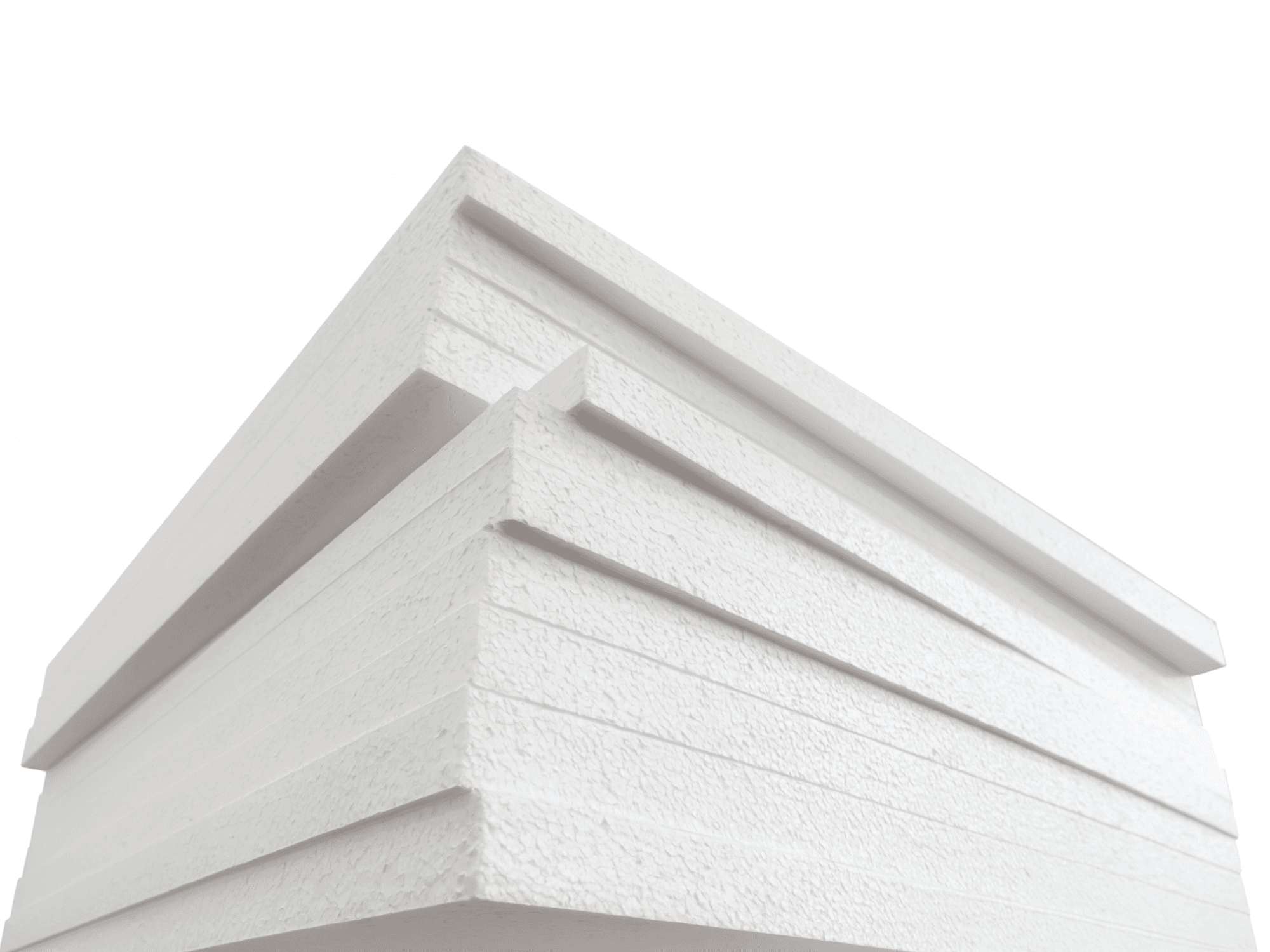
Polystyrene is one of the most widely used plastics in the world, and the word covers two quite different products that buyers regularly confuse. Expanded polystyrene, the white foam commonly called styrofoam, is around 98 per cent air and is used for insulation, protective packaging, cool boxes, display props, model making and craft. High impact polystyrene, or HIPS, is a solid rigid sheet with a matte face, used for vacuum forming, signage, printing, display and machine covers. Associated Plastics stocks polystyrene sheets in both families and cuts them to size, with stock held in our Hobart warehouse and delivery Australia-wide. Uses of polystyrene run from wall and underfloor insulation and void filling through to fish boxes, packaging inserts, sign faces and thermoformed trays, which is a spread no other single plastic name really covers. The guide below sets out the properties of each type and how to pick the right one for your job.
Expanded foam or solid HIPS sheet
Expanded polystyrene is light, buoyant, an excellent thermal insulator and easy to cut with a hot wire or sharp blade, but it is soft, crumbly at the edges and dissolves in solvents. Use it for insulation, packaging voids, cool boxes, buoyancy, display props and craft. High impact polystyrene is a solid sheet, typically 0.5 to 3 mm, with one matte face and one gloss face. It is rigid, easy to cut, print and glue, and thermoforms at low temperatures, which makes it the standard material for vacuum formed trays, sign faces and low cost machine covers. If you need to see through it, neither is the answer; that is acrylic or polycarbonate territory.
Polystyrene properties in practice
Polystyrene is rigid rather than flexible, holds its shape well, resists water and most acids and alkalis, and is easy to bond with the right adhesive. Its weaknesses are worth knowing before you commit: it is brittle in thin sections unless it is the high impact grade, it has poor resistance to solvents including many spray paints and glues, so test on an offcut first, and it has a low service temperature and will soften and deform in hot conditions. It also has no meaningful UV resistance, so it is an indoor and short term outdoor material rather than a long term exterior one.
Cutting and working with polystyrene
Expanded foam cuts cleanest with a hot wire, which melts a smooth edge rather than tearing beads loose; a sharp blade works but leaves a rougher finish and plenty of static-charged debris. Solid HIPS sheet score-and-snaps for straight cuts, routers cleanly and vacuum forms at relatively low temperatures, which is why it is popular in schools and prototype workshops. For repeatable shapes in either material, we cut to size in house so you get consistent parts without the mess.
Frequently Asked Questions
Let's Discuss Your Project
Whether you need custom fabrication, laser cutting or packaging supplies, our team is ready to help bring your project to life.