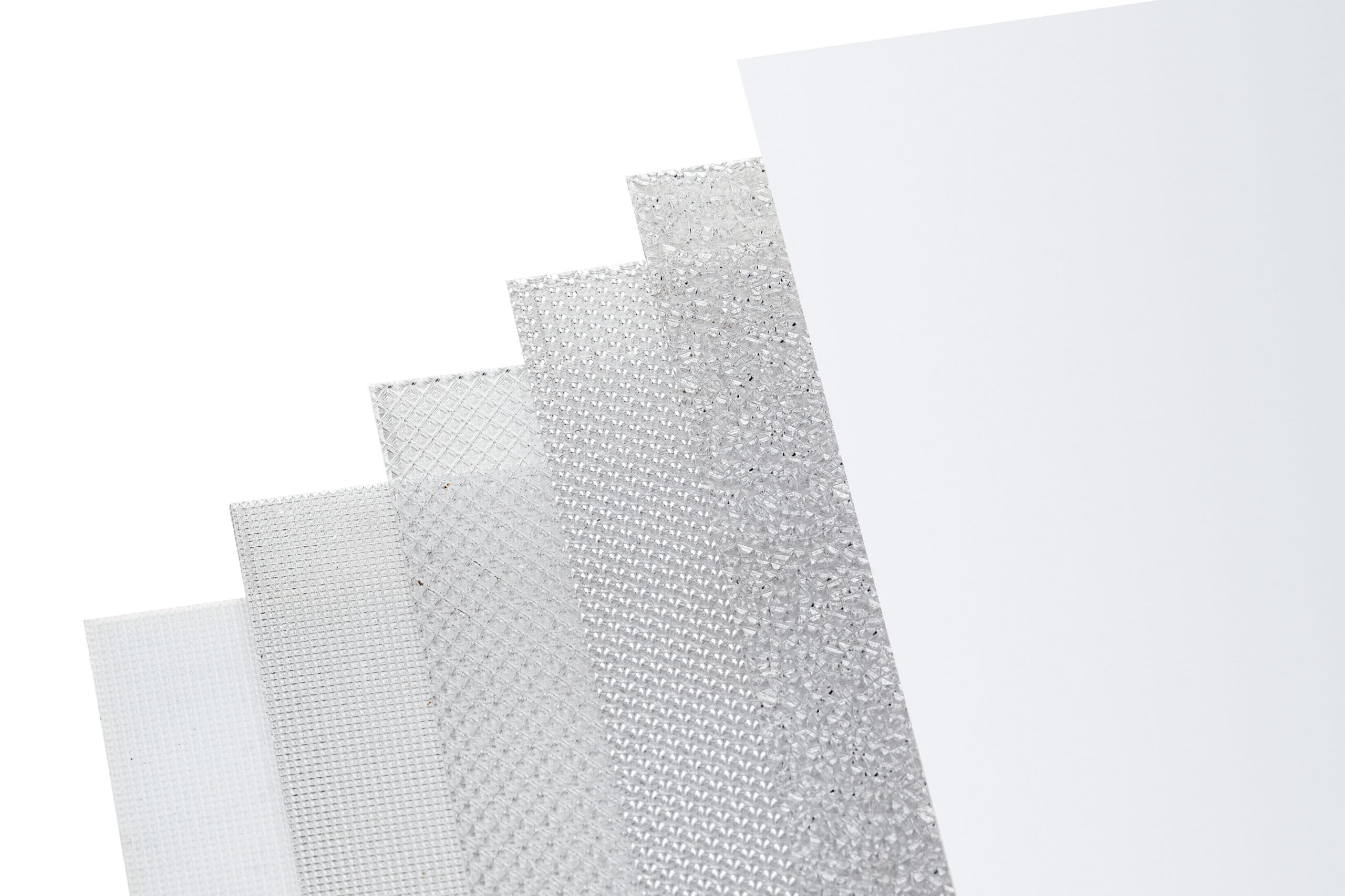
When it comes to creating professional LED signage that eliminates hot spots and delivers uniform illumination, choosing the right light diffusing materials makes all the difference. Whether you’re fabricating channel letters, illuminated menu boards, or backlit displays, understanding diffuser sheets is essential for delivering quality results that impress your clients across Australia.
What Are Diffuser Sheets Used for in Signage?
Diffuser sheets transform point light sources into soft, uniform surface light sources, eliminating the harsh spots and glare that can ruin the appearance of LED signage. These specialized materials sit between your LED light source and the viewing surface, scattering light beams to create an evenly distributed, professional glow.
Australian sign makers rely on light diffuser sheets for numerous applications including channel letters, lightbox signage, digital billboards, LED menu boards, architectural lighting features, and retail display systems. The sheets can be thermoformed for flat channel letters and sign faces in both electrical and non-electrical signage boards, offering exceptional versatility for creative fabrication.
Which Material Diffuses Light Best: Acrylic or Polycarbonate?
The acrylic versus polycarbonate debate is one every sign maker faces. Both materials excel at light diffusion, but each has distinct advantages depending on your project requirements.
Acrylic Light Diffuser Sheets
Acrylic delivers superior optical properties with stronger light transmission and better LED hot spot diffusion. For sign makers prioritizing optical clarity and maximum brightness, acrylic diffuser sheets are typically the preferred choice.
Key advantages of acrylic diffusers:
- Light transmission reaching up to 92%, significantly higher than standard materials
- Excellent scratch resistance that maintains appearance over years of use
- Superior UV resistance for outdoor applications without yellowing
- Cost-effective pricing, typically 30-40% less expensive than polycarbonate
- Easy fabrication with standard cutting, drilling, and thermoforming equipment
- Natural resistance to discoloration from prolonged sun exposure
Polycarbonate Light Diffuser Sheets
Polycarbonate diffuser sheets provide uniform, glare-free illumination with UV treatment and exceptional impact resistance, making them ideal for high-traffic or outdoor installations where durability is paramount.
Key advantages of polycarbonate diffusers:
- Impact resistance 250 times greater than glass and significantly higher than acrylic
- Superior heat tolerance, working effectively in temperatures from -40°C to 120°C
- Inherent flame retardant properties with better fire safety ratings
- Excellent for thermoforming curved or complex shapes
- Outstanding dimensional stability in extreme Australian weather conditions
- Longer lifespan in demanding outdoor environments
The bottom line: For projects requiring high-quality lighting without compromising visual appeal or budget, acrylic diffuser lenses are often the preferred choice. However, if your signage faces harsh conditions, frequent impacts, or requires superior fire resistance, polycarbonate diffusers deliver unmatched durability.
What Thickness Diffuser Sheet Do I Need for LED Signs?
Selecting the correct thickness is crucial for balancing light diffusion, structural integrity, and cost efficiency. Thickness selection depends on specific application requirements, including diffusion effect, light transmittance, cost, and weight factors.
Common Thickness Specifications:
1mm – 1.5mm thickness: Sign-grade polycarbonate sheets are available from 1.5mm to 6mm thickness in sheets, coils, and spool formats. The thinner range (1-1.5mm) works well for low-power LED applications, small channel letters, and applications requiring flexibility.
3mm thickness: The most popular choice for general LED signage work. 3mm diffuser sheets provide 28% light transmission, offering an excellent balance between light diffusion and structural strength for medium-sized signs and lightboxes.
5mm thickness: 5mm sheets transmit 14% of light, providing heavier diffusion ideal for high-brightness LED setups, larger format signage, and applications requiring maximum hot spot elimination. The increased thickness also adds rigidity for larger panel installations.
For professional results: Match your diffuser thickness to your LED power output and viewing distance. Thinner sheets (1-3mm) suit low-power LEDs in smaller signs, while thicker options (5mm and above) work best for high-brightness installations or when maximum light diffusion is required.
Can I Use Standard Acrylic as a Diffuser?
This is a common question, and the short answer is no—standard clear or coloured acrylic won’t deliver professional results for light diffusion applications.
Unlike standard opal acrylic sheet, LED opal light diffusing sheet creates homogeneously illuminated lighting elements and diffuses light evenly without hot spots from individual LED lights. Specialized LED diffuser sheets incorporate optical-grade additives or texturing that scatter light uniformly across the entire surface.
Standard acrylic materials lack these engineered properties. Using regular acrylic will result in visible LED hot spots, uneven brightness, and an unprofessional appearance that compromises your signage quality. Always invest in purpose-made light diffusing acrylic or polycarbonate sheets specifically engineered for LED applications.
Technical Specifications Sign Makers Need to Know
Understanding key performance specifications ensures you select the right material for each project:
Light Transmission: The percentage of light passing through the material. LED light diffuser sheets typically range from 60% to 90% light transmission, with higher values delivering brighter results while lower values provide heavier diffusion.
Haze Level: Measures the amount of light subject to wide-angle scattering. Higher haze levels eliminate LED hot spots more effectively but reduce overall brightness.
Operating Temperature Range: Critical for outdoor applications. Quality polycarbonate diffusers perform reliably from -40°C to 120°C, while acrylic diffusers excel in standard conditions up to 74°C.
UV Resistance: Essential for Australian conditions. Both acrylic and polycarbonate diffusers should feature UV-protective coatings to prevent yellowing and maintain optical clarity over years of outdoor exposure.
Flame Rating: Important for commercial installations. Polycarbonate naturally achieves better fire ratings, making it preferable for public buildings and high-safety applications.
Where Can I Buy Light Diffusing Materials in Australia?
Associated Plastics provides Australian sign makers with premium light diffusing materials suitable for all LED signage applications. Whether you’re fabricating one custom sign or managing large-scale production runs, having a reliable supplier with technical expertise makes all the difference.
Look for suppliers offering cut-to-size services, which reduce material waste and save valuable fabrication time. Technical support is equally valuable—knowledgeable staff can help you select the optimal thickness, material type, and specifications for each unique project requirement.
Making the Right Choice for Your Signage Projects
Successful LED signage starts with quality light diffusing materials. By understanding the differences between acrylic and polycarbonate, selecting appropriate thicknesses, and sourcing purpose-made diffuser sheets rather than standard materials, you’ll consistently deliver professional results that showcase uniform illumination and eliminate unsightly LED hot spots.
For Australian sign makers, partnering with a reliable plastics supplier ensures access to quality materials, technical guidance, and the consistent supply needed to keep your business running smoothly. Invest in the right diffuser sheets, and your LED signage will illuminate your expertise for years to come.