Twinwall Sheet (Multiwall)
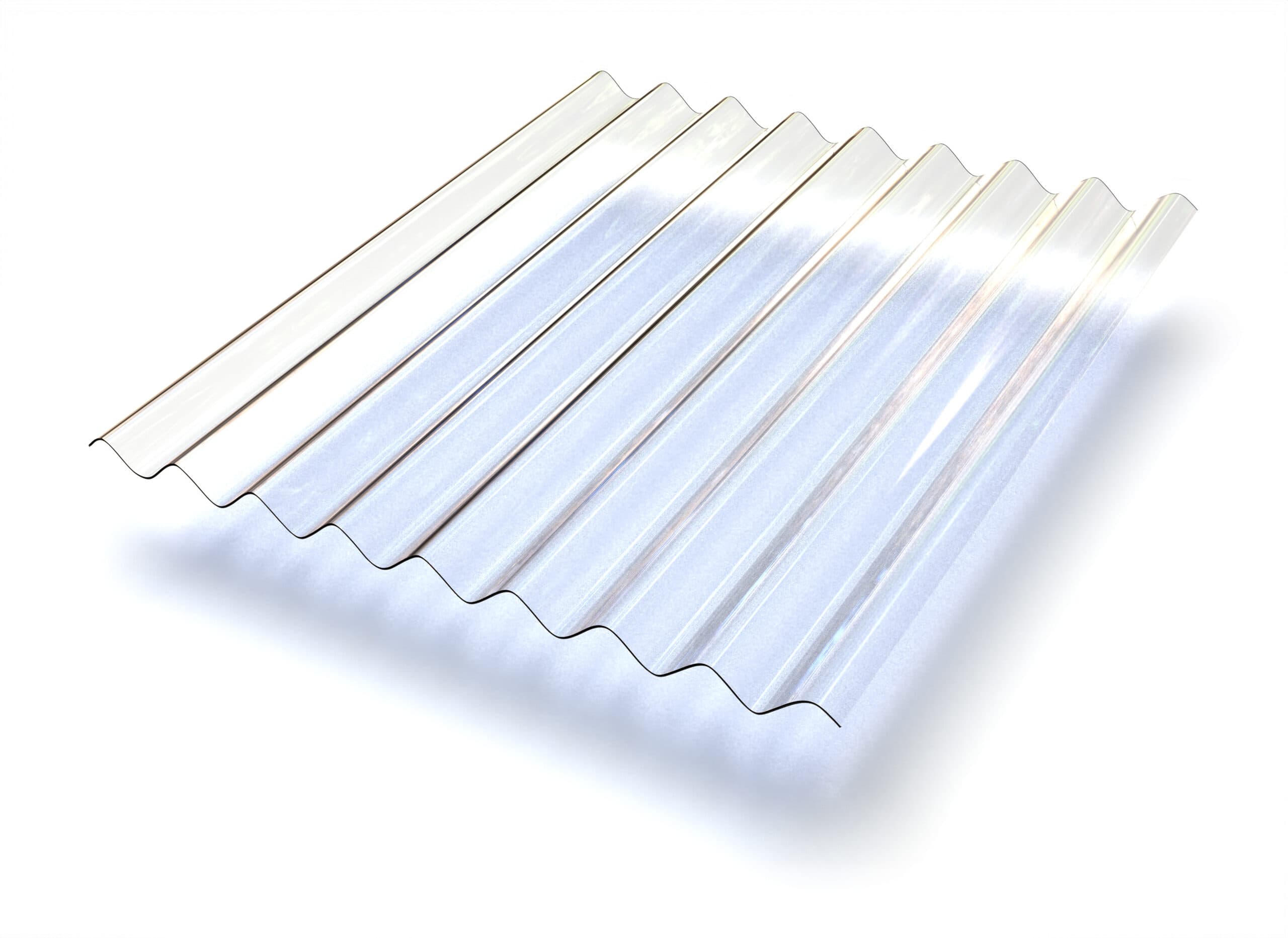
Twinwall Sheet (Multiwall)
Twinwall Sheet (Multiwall Polycarbonate) – Insulating Glazing for Roofing and Cladding
Twinwall polycarbonate, also known as multiwall sheet, is a structured polycarbonate panel with internal channels that provide excellent thermal insulation, light diffusion, and lightweight strength. Associated Plastics Tasmania supplies twinwall sheet in a range of thicknesses and colours for roofing, greenhouse glazing, partitions, and architectural applications.
What Is Twinwall Polycarbonate?
Twinwall sheet consists of two (or more) layers of polycarbonate connected by internal ribs or channels. This structure creates sealed air chambers that provide thermal insulation similar to double glazing, while maintaining the impact resistance and UV protection that polycarbonate is known for.
Available in configurations from simple twin-wall (2 layers) through to 5-wall and X-structure panels, with thicknesses from 4mm to 25mm.
Properties and Benefits
Thermal Insulation
The trapped air channels in twinwall sheet provide significantly better thermal insulation than solid polycarbonate or glass. A 10mm twinwall panel provides insulation roughly equivalent to standard double glazing, helping maintain comfortable temperatures in greenhouses, covered areas, and enclosed spaces.
Lightweight
Twinwall polycarbonate weighs a fraction of glass with comparable insulating properties. A 10mm twinwall panel weighs approximately 1.7 kg/m2, compared to around 12 kg/m2 for equivalent glass double glazing – making installation easier and reducing structural requirements.
Impact Resistant
Like all polycarbonate products, twinwall sheet is virtually unbreakable under normal conditions. It withstands hail, accidental impact, and rough handling that would destroy glass alternatives.
UV Protection
Co-extruded UV protection on the outer face blocks harmful ultraviolet radiation while maintaining light transmission, protecting both the panel and the contents beneath.
Light Diffusion
The internal structure of twinwall sheet naturally diffuses incoming light, creating even, shadow-free illumination – ideal for greenhouse growing and architectural daylighting.
Easy to Install
Twinwall sheet is easy to cut with standard tools, lightweight to handle, and installed using aluminium or polycarbonate glazing bars and edge closures. Purpose-designed accessories ensure weatherproof installation.
Available Thicknesses
- 4mm – lightweight option for internal partitions, signage, and display applications
- 6mm – popular for small greenhouses and cold frames
- 8mm – general-purpose greenhouse glazing and patio roofing
- 10mm – standard for larger greenhouses and commercial glazing with good insulation
- 16mm – enhanced insulation for commercial greenhouses and architectural applications
- 25mm – maximum insulation for commercial and industrial environments
Colours
- Clear – maximum light transmission (~80% for 6mm)
- Opal – diffused white light, good privacy
- Bronze – warm tint, reduced heat gain
- Grey – neutral tint, reduced glare
Common Applications in Tasmania
Greenhouses and Growing
Twinwall polycarbonate is the professional standard for greenhouse glazing in Tasmania. The combination of light diffusion (which eliminates shadows and promotes even plant growth), thermal insulation (critical for Tasmania’s cold winters), and impact resistance makes it far superior to glass for horticultural applications.
Patio and Pergola Roofing
For covered outdoor areas where insulation matters – such as enclosed patios or sunrooms – twinwall provides both weather protection and thermal comfort.
Pool Enclosures
Twinwall roofing and cladding for pool enclosures provides natural light, thermal insulation to maintain water temperature, and weather protection for year-round swimming.
Partitions and Screens
Internal partition walls, privacy screens, and room dividers can be constructed from twinwall sheet, providing light transmission and sound reduction with a modern aesthetic.
Skylight Panels
Twinwall panels in purpose-built skylight frames provide natural daylighting with thermal insulation for commercial and industrial buildings.
Twinwall vs Solid Polycarbonate
- Insulation – twinwall is significantly better due to trapped air chambers
- Weight – twinwall is lighter for equivalent thickness
- Clarity – solid provides better optical clarity; twinwall diffuses light
- Impact resistance – solid is stronger per mm of thickness
- Cost – twinwall typically costs less per square metre for equivalent thickness
Why Choose Associated Plastics Tasmania?
- Full range of twinwall thicknesses and colours
- Cut to size for your exact project requirements
- Expert advice on thickness selection and installation methods
- Glazing accessories (H-bars, U-channels, end closures) available
- Competitive pricing with delivery across Tasmania
Frequently Asked Questions
What thickness twinwall do I need for a greenhouse?
For a basic hobby greenhouse in Tasmania, 6mm or 8mm provides good light transmission with adequate insulation. For larger or more serious growing operations where maintaining warmth through cold Tasmanian winters is important, 10mm or 16mm provides significantly better thermal performance.
Can twinwall polycarbonate be curved?
Twinwall sheet can be cold-bent along the direction of the internal channels (not across them) to a minimum radius specified by the manufacturer. This allows for curved roofing and arched structures without heat forming.
How do I seal the ends of twinwall sheet?
The open channels at cut ends should be sealed with aluminium end closure tape (breathable tape at the bottom, solid tape at the top) to prevent moisture, insects, and algae entering the channels. We supply appropriate closure accessories.
Planning a project with twinwall? Contact Associated Plastics Tasmania for advice and a quote.
Need a Custom Order?
We specialise in custom fabrication and cut-to-size plastics. Get in touch for a tailored quote on your project.