Polypropylene
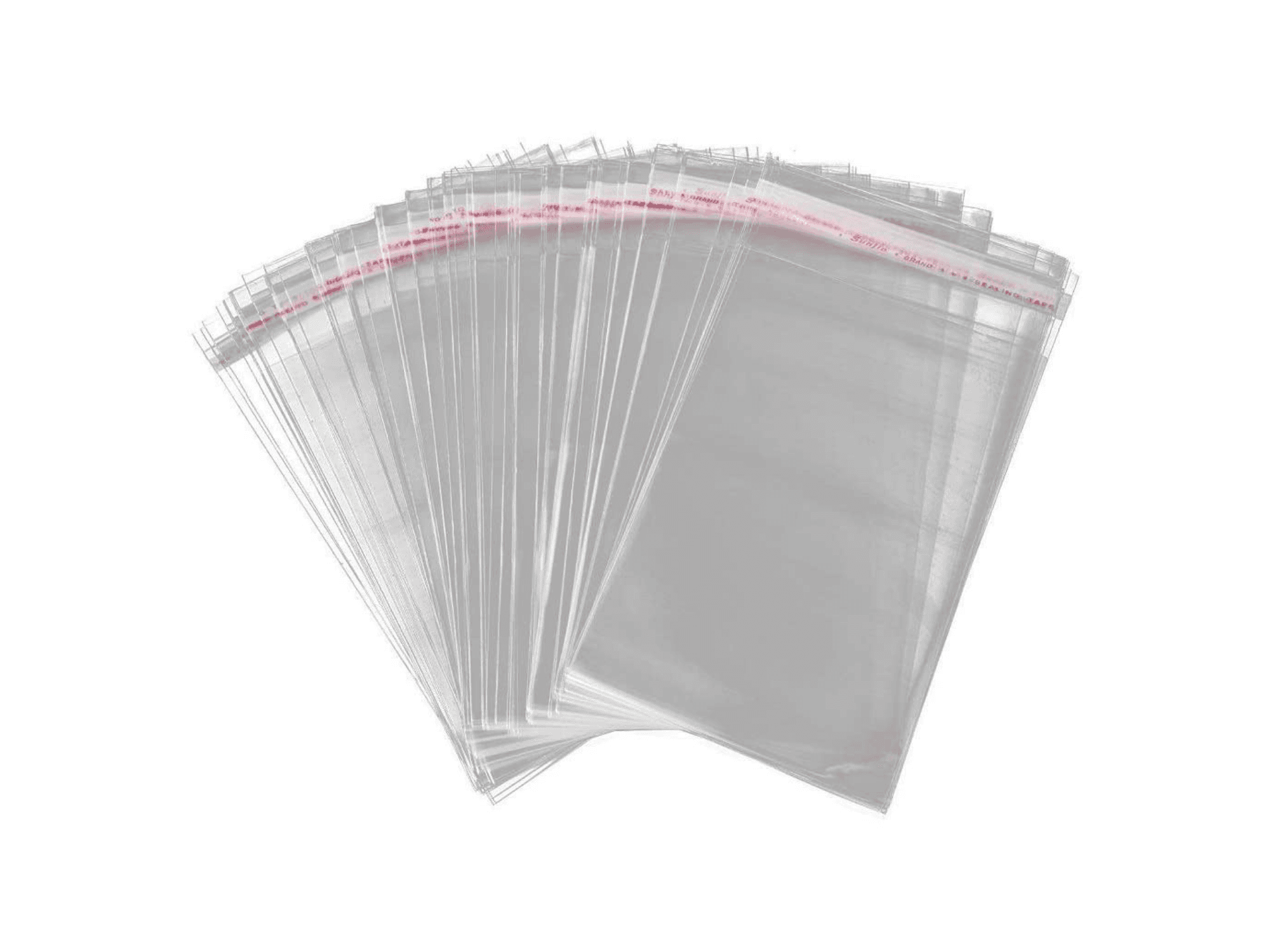
Polypropylene
Polypropylene Sheet – Chemical-Resistant Plastic with Living Hinge Capability
Polypropylene (PP) is a versatile engineering plastic renowned for its exceptional chemical resistance, fatigue resistance, and food-safe properties. Associated Plastics Tasmania supplies polypropylene sheet in a range of thicknesses and colours for industrial, food processing, laboratory, and fabrication applications.
What Is Polypropylene?
Polypropylene is a semi-crystalline thermoplastic polymer that offers an excellent combination of chemical resistance, mechanical strength, and heat tolerance. It is one of the most widely used plastics globally, found in applications ranging from food packaging to chemical processing equipment.
Properties and Benefits
Outstanding Chemical Resistance
PP is highly resistant to acids, bases, solvents, and most organic chemicals. This makes it the material of choice for chemical storage tanks, laboratory equipment, electroplating baths, and any application involving chemical exposure.
Fatigue Resistance (Living Hinge)
Polypropylene has exceptional resistance to flex fatigue, meaning it can be bent repeatedly without breaking. This unique property makes it the only material suitable for “living hinges” – thin, flexible sections that act as integral hinges in container lids, folders, and packaging.
Food Safe
PP is approved for food contact and is widely used in food processing, packaging, and kitchen applications. It does not absorb odours or flavours and can be sterilised for repeated food-safe use.
Heat Resistant
With a melting point around 160°C, polypropylene maintains its structural properties at higher temperatures than polyethylene, making it suitable for applications involving hot water, steam sterilisation, and warm chemical solutions.
Lightweight
PP has the lowest density of common engineering plastics (0.9 g/cm3), making it lighter than HDPE, nylon, and most other alternatives. This reduces material costs and makes handling easier.
Weldable
PP can be welded using hot air and extrusion welding techniques, allowing fabrication of tanks, bunds, ducting, and other sealed structures.
Available Options
We stock polypropylene sheet in thicknesses from 2mm to 30mm, in natural (translucent), grey, black, and white. Standard sheet sizes are 2440 x 1220mm and 3000 x 1500mm.
Common Applications
Chemical Tanks and Containment
PP tanks and bund linings are standard in chemical processing, water treatment, electroplating, and laboratory environments across Tasmania and Australia. PP welds cleanly to produce leak-proof vessels rated for a wide range of aggressive chemicals.
Laboratory Equipment
Fume cupboard linings, drip trays, bench tops, and chemical storage cabinets are commonly fabricated from polypropylene due to its broad chemical resistance and ease of decontamination.
Food Processing
PP is used throughout the food industry for processing equipment, conveyor components, storage containers, and preparation surfaces. Its heat resistance allows steam cleaning and hot water sterilisation.
Ducting and Ventilation
Chemical-resistant PP ducting is used in fume extraction, chemical vapour handling, and industrial ventilation systems where metal ducting would corrode.
Stationery and Packaging
The living hinge property of PP makes it the material for ring binder covers, folder spines, and flip-top packaging. Thin PP sheet is also used for packaging and labels.
Polypropylene vs HDPE
- Chemical resistance – both excellent; PP handles slightly higher temperatures
- Impact resistance – HDPE is tougher, especially at low temperatures
- Heat resistance – PP is superior (160°C vs 120°C)
- Fatigue resistance – PP is far superior (living hinge capability)
- Weight – PP is lighter (0.9 vs 0.95 g/cm3)
Our team can advise on the best material for your specific application and chemical environment.
Our Services
- CNC Cutting – precision routing to your dimensions
- Plastic Welding – hot air and extrusion welding for tanks and fabrications
- Drilling and Machining – holes, threads, and complex profiles
- Bending – line bending for trays and enclosures
Why Choose Associated Plastics Tasmania?
- Stock range of PP sheet in multiple thicknesses and colours
- Expert plastic welding for tanks and containment
- Cut-to-size with precision CNC equipment
- Technical advice on chemical compatibility
- Delivery across Tasmania and Australia-wide
Frequently Asked Questions
Can polypropylene be welded?
Yes. PP welds very well using hot air or extrusion welding, producing strong, leak-proof joints ideal for tank fabrication and chemical containment. Our team has extensive experience with PP welding.
Is polypropylene better than HDPE for chemical tanks?
It depends on the chemicals involved and operating temperature. PP handles higher temperatures, while HDPE has better low-temperature impact resistance. Both have excellent chemical resistance. Provide us with your chemical list and operating conditions and we will recommend the best material.
Can PP be glued?
Polypropylene is difficult to bond with conventional adhesives due to its low surface energy. Welding is the preferred joining method. Specialist PP adhesives exist but welding provides superior strength and reliability.
Need polypropylene? Contact Associated Plastics Tasmania for a quote.
Need a Custom Order?
We specialise in custom fabrication and cut-to-size plastics. Get in touch for a tailored quote on your project.