Acrylic Rod and Tube
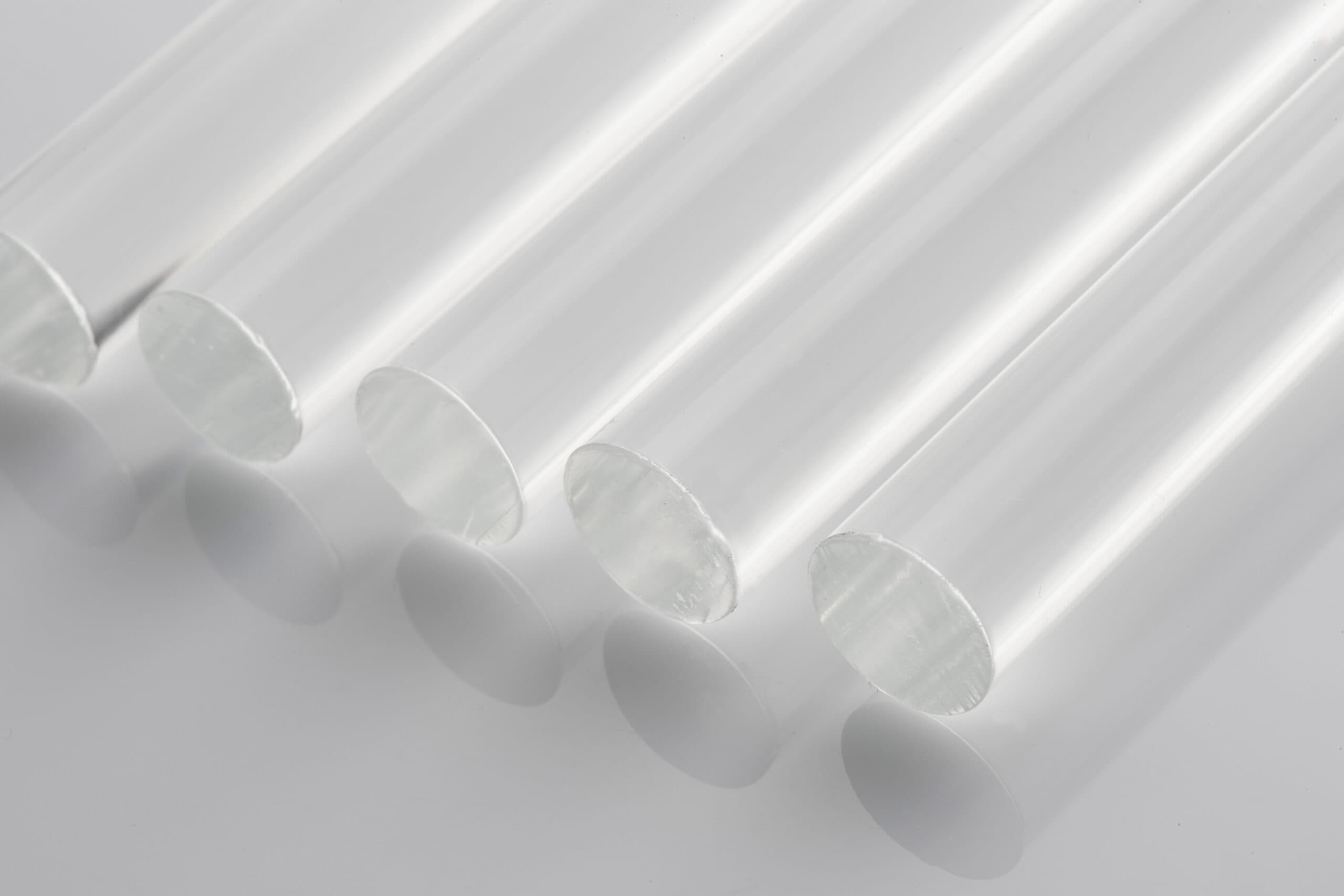
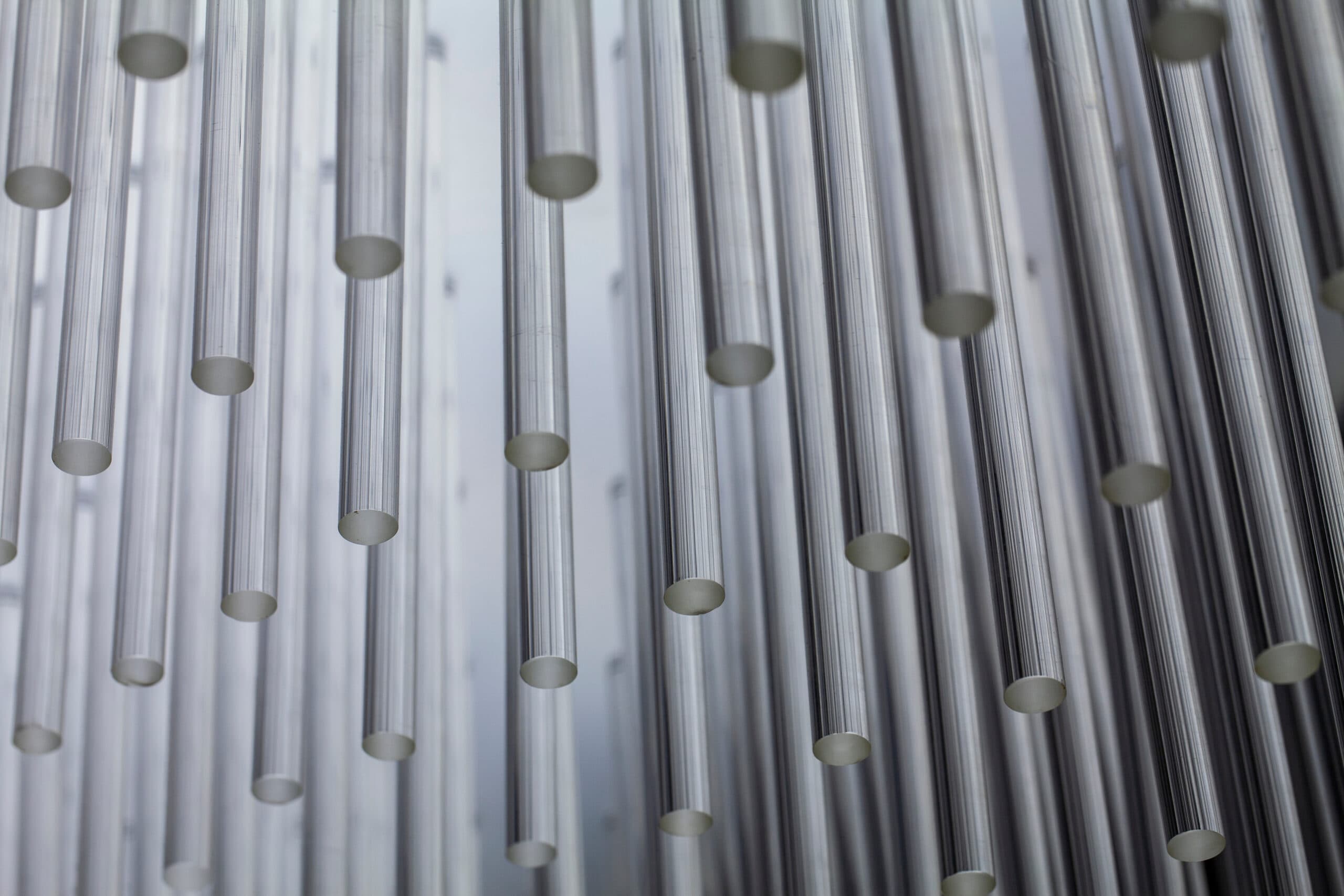
Clear acrylic rod and acrylic tube cut to length. Cast perspex rods from 3 to 100 mm diameter and cast tube, polished ends, delivered Australia-wide.
Acrylic Rod and Tube buying guide
Clear acrylic rod and acrylic tube are the quiet achievers of display, lighting and model work: optically clear, easy to machine and far lighter than glass. Associated Plastics supplies acrylic rod from around 3 mm up to 100 mm diameter and acrylic tube in a wide range of outside diameters and wall thicknesses, cut to the length you need rather than sold only in full sticks. Perspex rods turn up in display risers and museum stands, trophy and award components, jewellery and craft work, lighting diffusers and light pipes, balustrade and handrail details, and clear tube shows up in aquarium and vivarium fittings, cake dowels, protective sleeves and prop making. All our rod and tube is cast acrylic, which machines and cements cleanly and takes a flame or machine polish to a genuinely glass-like finish. Everything is cut on our saws and CNC equipment in Hobart, with square-cut or polished ends on request, and shipped Australia-wide. The notes below cover why cast acrylic suits rod and tube work, sizing tube correctly, and cutting rod without chipping it.
Why cast acrylic rod and tube
Cast acrylic rod and tube has low internal stress, so it turns, drills and threads without crazing and takes solvent cement joints that come up almost invisible. That makes it the right choice for machined parts, jewellery, museum-grade display work and anything you intend to polish. All the acrylic rod and tube we supply is cast. If you are not sure which size suits, tell us what you are making and we will match the stock.
Sizing acrylic tube correctly
Acrylic tube is normally specified by outside diameter and wall thickness, with inside diameter following from the two, so always confirm which dimension actually matters for your job. If the tube must slide over something, work from ID; if it must fit into a hole or ferrule, work from OD. Common display and lighting sizes run from about 20 mm OD with a 2 to 3 mm wall through to 150 mm OD and beyond for larger covers and cylinders. Remember that acrylic tube is not pressure-rated pipe and should not be used for plumbing or compressed air, and that tube walls are made to a manufacturing tolerance rather than a machined one, so allow a little clearance in tight assemblies.
Cutting, machining and finishing
Acrylic rod and tube cut cleanly on a fine-tooth blade at moderate speed, with the work supported to stop the cut chipping out. Drill with plastics-ground bits that have a scraping rather than grabbing rake, back the workpiece to avoid breakout, and keep speeds down to prevent the swarf melting. Cut ends can be left saw-finished, sanded through the grits and buffed, or flame polished on cast material for a fully transparent face. If you would rather not chase the finish yourself, we cut to length and polish ends here, and can machine slots, holes and steps as part of the same job.
Frequently Asked Questions
Let's Discuss Your Project
Whether you need custom fabrication, laser cutting or packaging supplies, our team is ready to help bring your project to life.